
Florida animals are not built for cold
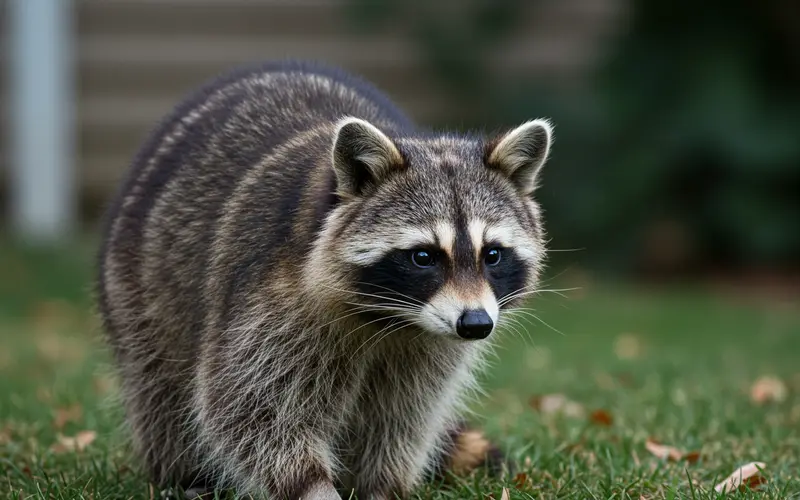
Our wildlife is adapted to heat and humidity. When a real cold front rolls through Tampa Bay, raccoons, opossums, squirrels and roof rats all make the same calculation: find the warmest, driest cavity nearby. An attic sitting above a heated home, lined with insulation, is exactly that.
The forty-eight hours before a front
Wildlife activity spikes in the day or two before temperatures drop. This is when animals probe for entry: pushing at soffit corners, testing vent screens, working at roof returns. A gap that held all summer can fail in one determined night. If you hear thumping or scratching right as the weather turns, that is not a coincidence.
Five checks to make before the next front
- Walk the roofline with binoculars and look for lifted shingles, bent vents or dark rub marks at corners.
- Confirm every gable and roof vent still has intact screening behind it.
- Trim branches back at least six feet from the roof so squirrels and rats lose their bridge.
- Close the gaps where cable, AC lines and plumbing enter the structure.
- Listen at dusk. Movement overhead at sunset usually means a nocturnal tenant is already in.
If something already moved in
Do not seal anything once you suspect an animal is inside. Trapping an animal in a warm attic creates a far worse problem than the one you started with. Call us first: we confirm what it is, remove it humanely under Florida FWC guidelines, then seal the home so the next front finds it closed.
Dealing with this at your place?
Free quotes, honest answers, humane methods. Family-owned, based in Dunedin, serving all of Tampa Bay.